
Tree Trimming in Paramus, NJ: Pruning Done Right
Crownwood Tree Services trims and prunes residential and commercial trees throughout Paramus, NJ. Our crews remove deadwood, clear roofs and driveways, and shape canopies using proper pruning cuts. Call (551) 351-7420 to schedule a written estimate.
Tree trimming is the selective pruning of branches to improve a tree's health, structure, clearance and safety. Crownwood Tree Services trims shade, ornamental and evergreen trees for homeowners and property managers in Paramus, NJ, using cuts at the branch collar and no topping.
Why Does Tree Trimming Matter?
Tree trimming matters because a well-pruned tree grows stronger, sheds fewer limbs in storms and stays clear of roofs, wires and driveways. Crownwood Tree Services provides tree trimming in Paramus, NJ, removing dead, weak and crowded branches so each tree keeps its natural shape and health.
Most calls start with a specific problem. Limbs hang over the roof or scrape siding, branches block a streetlight or driveway, or deadwood sits above a patio where people gather. Other trees grow dense enough to shade out lawns and catch wind like a sail, which raises the risk of breakage during nor'easters and summer thunderstorms.
Pruning also addresses problems homeowners cannot see from the ground. Crossing branches rub through bark and invite decay, tight V-shaped unions can split under ice, and early signs of disease are easier to spot when a climber is in the canopy. Catching these issues early usually costs far less than removing a failed tree later.
Crownwood Tree Services follows accepted arboricultural pruning practice, which means cuts made at the branch collar, no topping and no climbing spikes on trees being kept. Crews are licensed and insured under New Jersey's tree care licensing rules, quote each job in writing and leave the yard raked and clean.
How Is a Tree Trimmed Properly?
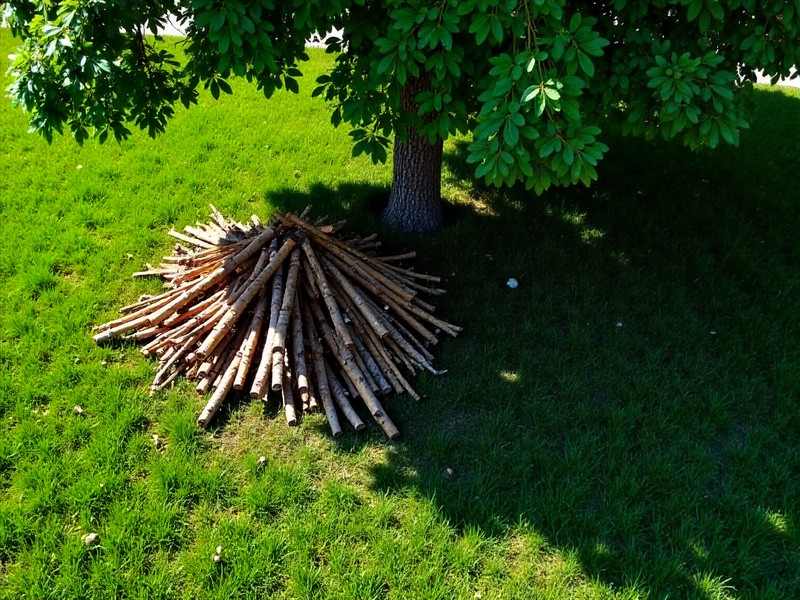
Proper tree trimming starts with a clear goal for each tree, and a Crownwood Tree Services crew prunes toward that goal rather than cutting by habit. Common goals include clearance over a roof or driveway, removing deadwood, thinning a dense crown, raising low limbs or correcting the structure of a young tree.
Each type of cut serves a purpose. Crown cleaning removes dead, dying and broken branches. Crown thinning takes out selected interior limbs to let light and wind pass through, generally no more than about a quarter of the live canopy in one season. Crown raising lifts lower branches for walkways and vehicles, and crown reduction shortens long limbs back to healthy side branches instead of leaving stubs.
Every cut is made just outside the branch collar, the slightly swollen area where a limb meets the trunk. Cutting there lets the tree seal the wound naturally, so wound paint is not needed. Heavy limbs come off in sections using a three-cut method that keeps bark from tearing down the trunk.
Equipment depends on the tree and the yard. Crews use hand saws, pole pruners and chainsaws, climbing ropes and saddles for work inside the canopy, and a bucket truck where there is clear access. Ropes and rigging lower large limbs in a controlled way over fences, gardens and roofs.
Every trimming job includes the pruning itself, chipping of branches, hauling of wood and debris, and a final raking and blowing of lawns, beds and hard surfaces. Customers can keep wood chips or cut logs on request. Branches touching or near utility lines are left to the utility, since only line-clearance qualified workers may prune near energized wires.
Most residential trimming takes a few hours to one day. A single small ornamental tree may take under an hour, while several mature oaks or maples can fill a full day for a three-person crew. Late fall through winter is often the best season for pruning deciduous trees, though deadwood and hazard limbs can be removed any time of year.

What Regular Pruning Does for Your Trees
Fewer Storm-Damaged Limbs
Removing deadwood, weak unions and overextended branches reduces the weight and wind resistance a tree carries into a storm. A thinned, balanced canopy lets wind pass through instead of pushing against it, which lowers the chance of a large limb landing on a roof, car or fence during heavy wind, snow or ice.
Healthier, Longer-Lived Trees
Clean cuts at the branch collar let a tree seal wounds and resist decay. Taking out crossing, rubbing and diseased branches stops problems before they spread through the canopy. Trees pruned on a regular cycle tend to develop stronger structure and live longer than trees left to grow without attention.
Clearance for Home and Driveway
Branches resting on shingles hold moisture, scrape gutters and give squirrels a path into the attic. Crown raising and selective reduction keep limbs clear of the roofline, siding, driveways and sidewalks, so vehicles, delivery trucks and pedestrians pass underneath without ducking or scratching paint.
More Light for Lawns
A dense canopy can leave grass thin and garden beds struggling for sun. Crown thinning removes selected interior branches to let dappled light reach the ground while keeping the tree's natural outline. The result is better lawn growth, faster-drying surfaces and less moss on roofs and walkways.
Problems Spotted Early
A climber working inside the canopy sees cracks, cavities, fungal growth and insect damage that are invisible from the ground. Spotting these early gives the owner options such as targeted pruning, cabling or treatment, often avoiding the far higher cost of removing a tree after it has already failed.
Better Curb Appeal
Well-shaped trees frame a house and make a property look cared for. Proper pruning keeps a natural form rather than the stubbed, lopsided look left by topping or careless cutting. For homeowners planning to sell, mature trees in good condition are a visible asset buyers notice right away.
From Estimate to Cleanup: The Trimming Process
On-Site Tree Assessment
A Crownwood Tree Services estimator walks the property, looks at each tree's species, condition and structure, and asks what the owner wants to achieve, whether clearance, safety, light or appearance.
Written Pruning Plan and Quote
The estimate lists which trees will be trimmed, the type of pruning for each, how debris will be handled and the fixed price, so there are no surprises on the day of work.
Site Setup and Protection
The crew sets up cones, plans the drop zone, and protects beds, fences and hardscape. Rigging is arranged before any cutting begins so heavy limbs can be lowered under control.
Pruning to Standard
Climbers or bucket operators make each cut at the branch collar, remove heavy limbs in sections, and step back periodically to check balance and shape so the tree is not over-pruned.
Chipping, Cleanup and Walkthrough
Branches are chipped and hauled, the yard is raked and blown, and the crew reviews the finished work with the owner, noting any trees that may need attention in future seasons.
Tree Trimming Questions Paramus Homeowners Ask
Common questions about tree trimming
Tree trimming in Paramus typically ranges from a few hundred dollars for a small ornamental tree to considerably more for large, mature shade trees. Price depends on tree height, canopy size, access for equipment, proximity to the house and how much wood must be hauled away. Crownwood Tree Services provides a written, fixed quote after seeing the trees in person.
Routine trimming of a tree on private property generally does not require a permit in Paramus, while removal and work on street trees may be regulated. Trees in the public right-of-way between the sidewalk and curb are usually the borough's responsibility. Crownwood Tree Services can help confirm ownership of a tree and check current borough rules before work begins.
Cleanup is included in every Crownwood Tree Services trimming quote. The crew chips all branches, hauls away wood and debris, and rakes and blows lawns, beds, driveways and patios before leaving. Homeowners who want to keep wood chips for mulch or logs for firewood can ask for them to be left on site at no extra charge.
Late fall through winter is usually the best time to trim deciduous trees, because the trees are dormant and branch structure is easy to see without leaves. Oaks in New Jersey are best pruned outside the spring and early summer window to reduce oak wilt risk. Dead or hazardous limbs can be removed safely at any time of year.
Tree trimming appointments are scheduled after the written estimate is approved, with timing confirmed at the estimate visit. Spring and the weeks after major storms are the busiest periods, so booking during fall or winter often means a shorter wait. Broken or hanging limbs that threaten a house or driveway are prioritized ahead of routine pruning.
Backyard trees can be trimmed even where a truck cannot reach, because climbers use ropes and saddles to work inside the canopy. A bucket truck is used where there is a clear path from the street. Crews carry branches out by hand or with small equipment through a standard gate and lay down protective mats where lawns are soft.
Many trees with dead limbs, storm damage or poor structure can be saved through careful pruning, and sometimes cabling to support weak unions. A tree with extensive trunk decay, major root damage or a dangerous lean may be beyond saving. The estimator explains which option fits the tree and gives an honest recommendation rather than defaulting to removal.
Most mature shade trees benefit from trimming every three to five years, while young trees do best with structural pruning every one to three years. Fast-growing species near roofs or driveways may need clearance work more often. Fruit and ornamental trees often follow an annual schedule. An estimator can suggest a cycle based on each tree's species and location.
Service Areas
We proudly serve these locations
Need Tree Trimming in Paramus, NJ?
Tell us about the tree and we'll walk the property and give you a clear quote.
Call (551) 351-7420Last updated