
Tree Health Assessments in Paramus, NJ
Crownwood Tree Services inspects trees in Paramus to find out whether they are healthy, declining or becoming a hazard. Our assessments give you a clear diagnosis and a written plan, so you can decide whether to treat, prune, monitor or remove a tree before a problem becomes expensive.
A tree health assessment is an on-site inspection that evaluates a tree's roots, trunk, canopy, pests, disease and structural risk, then recommends treatment, pruning, monitoring or removal. Crownwood Tree Services provides assessments for homeowners, landlords and property managers in Paramus, NJ.
Why a Tree Health Assessment Matters
A tree health assessment is a structured inspection that tells you what condition a tree is in and what, if anything, it needs. Crownwood Tree Services looks at the whole tree, from the root flare to the upper canopy, and explains the findings in plain language.
Assessments matter because most tree problems start out of sight. Root rot, internal decay, girdling roots and boring insects can work for years before a tree drops a limb or fails in a storm. Catching them early often means a tree can be treated or pruned instead of taken down.
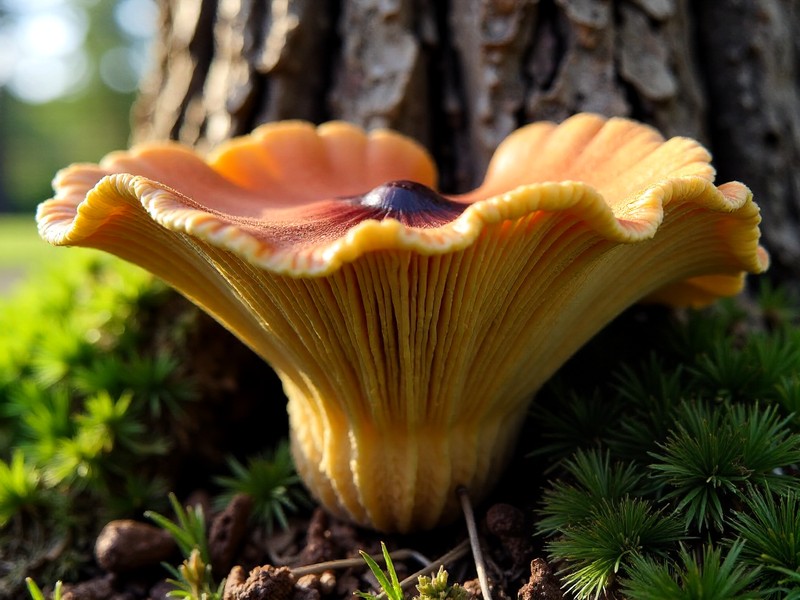
Homeowners usually call when they notice something specific: thinning leaves, early fall color, mushrooms at the base, cracks in the trunk, peeling bark or a tree that has started to lean. Others want an evaluation before buying a house, after construction near the roots, or after a hard winter or windstorm.
Crownwood Tree Services gives an honest answer rather than a sales pitch for removal. When a tree can be saved, we say so and outline the steps. When it cannot, we explain why and what the risk is. You leave the visit knowing exactly what you are dealing with and what your options cost.
How an Arborist Inspects a Tree From Roots to Crown
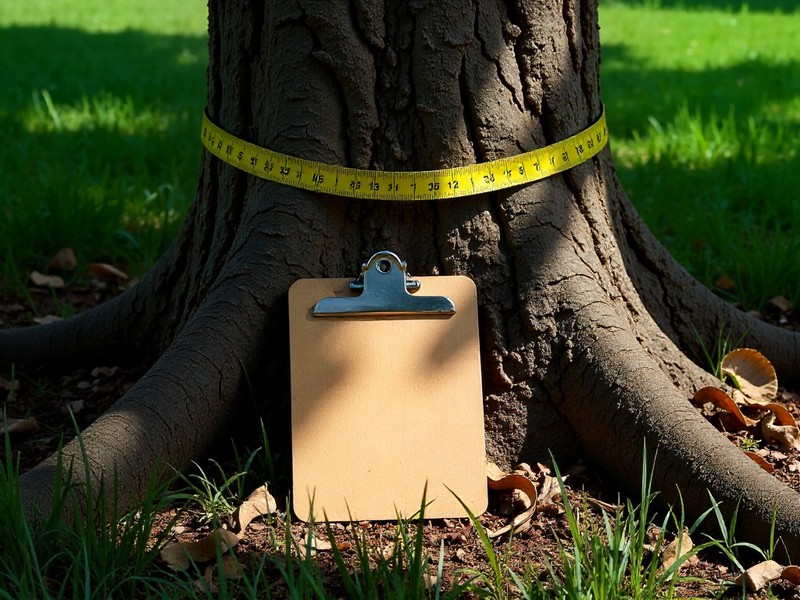
A Crownwood Tree Services health assessment begins at ground level with the root zone and root flare. We check for buried flares, girdling roots, soil compaction, grade changes, mower damage and fungal growth, since root problems cause a large share of tree decline and failure.
The trunk and major limbs come next. The arborist looks for cracks, cavities, seams, cankers, oozing sap, loose bark, codominant stems with included bark and signs of internal decay. A mallet sounding test helps detect hollow sections, and a probe or increment tool may be used where decay is suspected.
The canopy tells the rest of the story. We assess leaf size and color, crown density, dieback, deadwood and new growth, and inspect foliage and bark for pests such as emerald ash borer, spotted lanternfly, scale and borers, along with diseases like anthracnose, leaf scorch and wilts. Binoculars are used to examine upper limbs without climbing.
Site conditions are part of every evaluation. Nearby houses, driveways, fences, power lines, play areas and recent excavation all affect how much risk a defect poses. A cracked limb over open lawn is a different decision than the same crack over a bedroom.
Every assessment ends with a written summary. It lists each tree inspected, its species, the problems found, a risk rating and recommended actions ranked by urgency, such as fertilization, soil care, pest treatment, cabling, targeted pruning, monitoring or removal. Where lab testing of soil or tissue samples would confirm a diagnosis, we explain the cost and timing before collecting anything.
Most single-tree assessments take 30 to 60 minutes on site, and a property with several mature trees may take two hours or more. Written findings typically follow within a few business days, and lab results, when needed, usually take one to three weeks.
What a Professional Tree Evaluation Gives You
Problems Found Early
An assessment catches decay, root damage, pests and disease while they are still manageable. Early treatment or corrective pruning costs far less than emergency removal after a failure, and it often keeps a valuable mature tree standing for many more years instead of losing it to a problem nobody noticed in time.
Clear Risk Ratings
Each tree receives a plain risk rating based on its defects and what sits beneath it. Knowing whether a tree is low, moderate or high risk helps you decide what needs attention now, what can wait until next season and what simply needs to be watched over time.
Saves Trees Worth Keeping
Many trees that look alarming can be saved with soil care, pest treatment, cabling or selective pruning. A careful evaluation separates cosmetic issues from structural ones, so healthy trees are not removed unnecessarily and the shade, privacy and property value they provide stay in place.
Written Plan and Priorities
You receive a written summary listing each tree, its condition and recommended actions in order of urgency. The document makes budgeting easier, gives you something to share with a neighbor, landlord or insurer, and provides a baseline for comparing the tree's condition at future inspections.
Informed Buying Decisions
Buyers and sellers use tree assessments to understand what comes with a property. A large declining oak near the house can mean thousands in future work, while a healthy one adds value. Knowing the difference before closing puts real numbers behind your negotiation and your plans.
Honest Advice Without Pressure
The assessment is about diagnosis, not selling a job. If a tree needs nothing more than monitoring, the report says so. If removal is the right call, you will understand the specific reasons, and you remain free to schedule any recommended work whenever and with whomever you choose.
From First Call to Written Tree Findings
Booking and Background
You call (551) 351-7420 and tell us which trees concern you, what symptoms you have noticed and any recent changes such as construction, storms or new landscaping. This history helps the arborist focus the inspection.
Ground and Root Inspection
The arborist examines the root flare, soil and surrounding grade, looking for girdling roots, compaction, rot, fungal growth and damage from digging, paving or equipment.
Trunk and Canopy Evaluation
Trunk, limbs and crown are checked for cracks, cavities, decay, deadwood, pests and disease, using sounding, probing and binoculars as needed to see defects clearly.
On-Site Walkthrough
Before leaving, the arborist walks you through what was found, points out the specific signs on the tree and answers questions about urgency and options.
Written Findings and Options
You receive a written summary with each tree's condition, risk rating and ranked recommendations, plus pricing for any treatment, pruning, cabling or removal that is advised.
Follow-Up Monitoring
Trees placed on a watch list can be re-inspected at a set interval, often each growing season, so changes are compared against the original baseline.
What Do Paramus Homeowners Ask About Tree Health Checks?
Common questions about tree health assessments
A residential tree health assessment in Paramus typically costs between $150 and $400, depending on the number of trees, their size and how detailed the written findings need to be. Large properties or formal risk reports cost more. Lab testing of soil or tissue samples is billed separately and is only done with your approval first.
Many declining trees can be saved when the cause is found early, such as compacted soil, a treatable pest or a single weak limb. Trees with extensive trunk decay, severe root rot or major structural cracks over a house are usually poor candidates. The assessment tells you which situation you are in and what saving the tree would involve.
An inspection itself requires no permit, since nothing is cut or removed. Removing or heavily pruning a tree afterward may require approval under local shade tree or tree removal rules, which vary by town in Bergen County. We note when recommended work is likely to need a permit so you can check with the borough before scheduling.
A tree health assessment leaves virtually nothing to clean up because it is a visual and hands-on inspection, not cutting work. Small soil or tissue samples may be collected, and probe holes are minor. If pruning or removal is later recommended and scheduled, cleanup of branches, wood and debris is handled as part of that separate job.
Most tree health assessments in Paramus are scheduled within one to two weeks of your call, and sooner during quieter months. Trees with fresh cracks, sudden leaning or a large hanging limb are treated as priorities. Spring and summer are ideal for judging leaves and canopy, though root and trunk defects can be evaluated in any season.
A tree health assessment needs only walking access, not truck or machine access, because the arborist works on foot with hand tools, a mallet, probes and binoculars. A clear path to each tree and an unlocked gate are enough. Pets should be kept inside during the visit so the root zone and trunk can be inspected safely.
Being home is helpful but not required for a tree health assessment, as long as the arborist can reach the trees. Many clients prefer to join the final walkthrough to see the defects firsthand and ask questions. If you cannot attend, the written findings explain each issue, and a follow-up phone call can cover any questions.
Trees should be checked when they show mushrooms or conks at the base, cracks or cavities in the trunk, dead branches in the crown, thinning or early-browning leaves, peeling bark, a new lean or heaving soil. Construction near the roots, a recent storm or a sale of the property are also good reasons to schedule an inspection.
Service Areas
We proudly serve these locations
Need Tree Health Assessments in Paramus, NJ?
Tell us about the tree and we'll walk the property and give you a clear quote.
Call (551) 351-7420Last updated