
Tree Removal in Paramus, NJ: Safe Takedowns Near Homes
Crownwood Tree Services removes dead, damaged and unwanted trees from residential and commercial properties in Paramus. Our crews take trees down in controlled sections, haul away the wood and leave the yard clean. Call (551) 351-7420 for an on-site estimate.
Tree removal is the controlled felling or sectional dismantling of a dead, damaged or hazardous tree, followed by debris hauling and optional stump grinding. Crownwood Tree Services removes trees for homeowners and property managers in Paramus, NJ, including trees near houses and power lines.
When Does a Tree Need to Come Down?
A tree needs to come down when it is dead, structurally failing, diseased beyond treatment or growing where it threatens a house, and Crownwood Tree Services handles that tree removal for properties in Paramus, NJ. Removal is often the only safe option once a tree has lost its ability to hold its own weight.
Common problems that lead to removal include large dead limbs over a roof, trunks with deep cracks or cavities, roots lifting a driveway or foundation, and trees leaning after a storm. Ash trees killed by emerald ash borer and oaks with advanced decay become brittle and unpredictable, which makes them dangerous to climb and expensive to leave standing.
Removing a mature tree is not a job for a ladder and a chainsaw. Suburban lots leave little room for a tree to fall, and most trees stand near fences, sheds, wires or a neighbor's property. The work calls for rigging, trained climbers and equipment sized for tight spaces.
Crownwood Tree Services gives a written estimate after looking at the tree in person, explains whether the tree can be saved, and carries insurance for the work. Crews protect lawns and hardscaping, and every job ends with the debris hauled away and the site raked clean.
How Tree Removal Is Done Around Homes and Wires
Tree removal around homes and wires is done in controlled sections, with Crownwood Tree Services climbers or a bucket truck taking the tree down piece by piece and lowering limbs on ropes rather than dropping the tree whole. Open trees with clear space can sometimes be felled in one cut, but most Paramus lots call for sectional work.
The job starts with an assessment of the tree's height, lean, condition and surroundings. The crew identifies a safe drop zone, notes any power lines, and plans where the chipper and truck will park. Trees touching primary utility lines require the utility company to de-energize or clear the lines first.
Climbers use harnesses, spikes for removal work only, and lowering ropes run through friction devices to control each piece. A crane may be used for very large or hazardous trees over a house, lifting whole sections clear of the roof. Chainsaws, pole saws and a commercial chipper handle the cutting and cleanup.
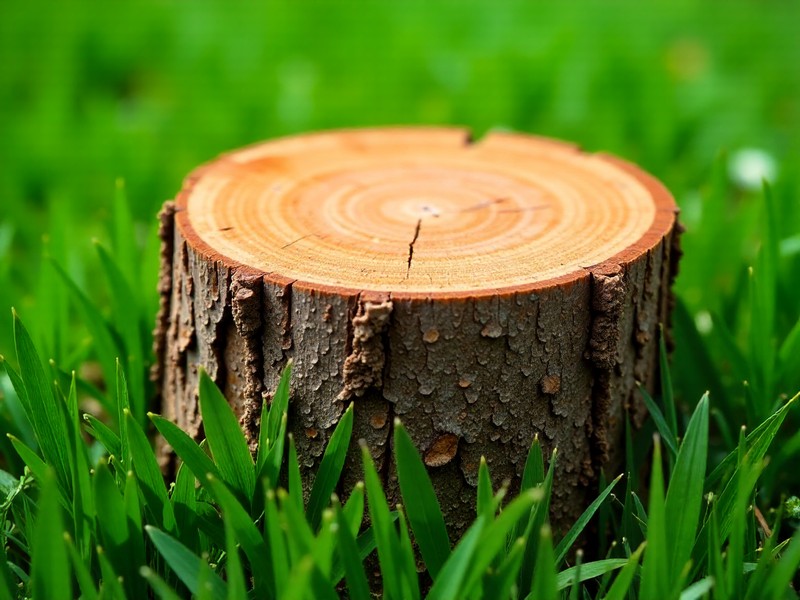
A standard removal includes cutting the tree to a low stump, chipping all branches, and hauling or cutting the trunk wood. Customers can ask to keep firewood-length logs or wood chips at no extra charge. Stump grinding is quoted as an optional add-on, and it removes the stump several inches below grade.
Lawn and property protection is part of every job. Plywood or ground mats go down where equipment crosses grass, and fragile plantings are marked or covered. After the last piece is down, the crew rakes, blows off hard surfaces and checks gutters near the work area.
Most residential removals take a few hours to one full day. A large tree requiring a crane, or a job with several trees, may take one to two days. Emergency storm removals are scheduled as quickly as crews can safely reach the site.
What Professional Tree Removal Protects
Protection for Your Home
Sectional removal and rope lowering keep heavy limbs from striking roofs, gutters, fences and vehicles. Each cut is planned around the structures on and near your property, so a large tree can come down in a tight yard without damage to the house, the neighbor's lot or the landscaping you want to keep.
Lower Storm Risk
Dead and decaying trees are the ones most likely to fail in high wind, heavy snow or ice. Removing a compromised tree before storm season reduces the chance of a trunk or large limb falling on your house, blocking the driveway or bringing down a service line during a nor'easter or summer thunderstorm.
Honest Save-or-Remove Advice
Not every troubled tree has to go. During the estimate, the crew explains whether pruning, cabling or treatment could keep a tree standing safely. When removal is the better choice, you get a clear explanation of why, so the decision rests on the tree's actual condition rather than a sales pitch.
Complete Debris Cleanup
Branches are chipped on site and trunk wood is hauled away or cut to firewood length on request. Crews rake the lawn, blow off driveways and walkways, and clear sawdust from the work area. The yard is left ready to use the same day, without piles waiting at the curb.
Insured, Trained Crews
Climbers work with harnesses, rigging and protective gear, and the company carries insurance for the work performed. Hiring an insured crew protects you from liability if something goes wrong on your property, which is a real risk when a homeowner or an uninsured worker attempts a large removal.
Room for New Plans
Taking out a problem tree opens space for a garden, patio, addition or a better-suited replacement tree. Removing a tree that shades a lawn or crowds a foundation can also improve grass growth and reduce moisture problems near the house, giving you more flexibility with the property.
Tree Removal Steps From Estimate to Cleanup
On-Site Assessment
A crew member inspects the tree's health, lean, size and surroundings, checks for wires and access, and discusses whether the tree can be saved.
Written Estimate
You receive a written price covering removal, cleanup, wood handling and optional stump grinding, with no hidden charges added on the day of work.
Permits and Scheduling
The crew confirms any borough permit requirements, coordinates with the utility if lines are involved, and books a date that works for you.
Site Preparation
Ground mats or plywood protect the lawn, vehicles and outdoor furniture are moved, and a safe drop zone is set up around the tree.
Controlled Removal
Climbers or a bucket truck dismantle the tree in sections, lowering limbs on ropes, then cut the trunk down to a low stump.
Cleanup and Walkthrough
Branches are chipped, wood is hauled or stacked, the yard is raked and blown clean, and you review the finished site with the crew.

Tree Removal Questions From Paramus Homeowners
Common questions about tree removal
Tree removal in Paramus typically costs from a few hundred dollars for a small tree to several thousand for a large tree over a house. Price depends on height, trunk diameter, condition, access and nearby structures or wires. Crane work and stump grinding add to the total. Crownwood Tree Services provides a free written estimate after seeing the tree.
Permit rules for tree removal are set at the municipal level, and requirements can differ for private yards, trees near the street and trees in the public right-of-way. Crownwood Tree Services checks the current Borough of Paramus requirements before scheduling. Trees between the sidewalk and street are often borough property and should not be removed without approval.
Cleanup is included in every Crownwood Tree Services removal estimate. Branches are chipped, trunk wood is hauled away, and the lawn, driveway and walkways are raked and blown clean. Homeowners who want to keep firewood or wood chips can ask for them at no extra cost. Stump grinding is quoted separately as an optional service.
Many trees with problems can be saved through pruning, deadwood removal, cabling or treatment, as long as the trunk and root system remain sound. Trees with extensive decay, major trunk cracks, severe lean or death from pests such as emerald ash borer usually cannot. The crew explains which option fits your tree during the free on-site assessment.
Routine tree removals in Paramus are usually scheduled within one to three weeks, depending on the season and the size of the job. Spring and fall tend to book up fastest. Hazardous trees and storm-damaged trees threatening a home are prioritized and handled as soon as conditions allow crews to work safely.
Backyard trees with no truck access are removed by climbers who dismantle the tree by hand and lower each piece on ropes. Debris is carried or moved with compact equipment through a gate or side yard to the chipper at the street. A gate opening of about 36 inches is helpful but not always required. Ground mats protect the lawn along the route.
Most single-tree removals take between two hours and one full day, including cleanup. A small ornamental tree may be finished in an hour or two, while a large oak over a house can take a full day or longer. Crane jobs and multiple-tree projects are typically completed within one to two days.
Standard tree removal leaves a stump cut close to the ground, and stump grinding is offered as a separate add-on. Grinding takes the stump several inches below grade so the area can be covered with soil and seeded. Underground utilities are marked through New Jersey's 811 call-before-you-dig system before any grinding starts.
Service Areas
We proudly serve these locations
Need Tree Removal in Paramus, NJ?
Tell us about the tree and we'll walk the property and give you a clear quote.
Call (551) 351-7420Last updated