
Storm Damage Tree Cleanup in Paramus, NJ
Crownwood Tree Services clears fallen trees, broken limbs and storm debris from residential and commercial properties in Paramus. Our crews handle the cleanup after the storm has passed, including hanging branches, split trunks and repair pruning on trees worth keeping. Call (551) 351-7420 to book an assessment.
Storm damage cleanup is the removal of fallen trees, broken limbs, hanging branches and storm debris after high winds, ice or heavy snow, followed by repair pruning on damaged trees that can be kept. Crownwood Tree Services provides this work for homeowners and property managers in Paramus, NJ.
What Does Storm Damage Cleanup Cover?
Storm damage cleanup covers everything left behind once wind, ice or wet snow has moved through a property: downed trees, snapped limbs, branches caught in the canopy, and the debris scattered across lawns, driveways and roofs. The work restores safe use of the yard and gives damaged trees their best chance of recovering.
Storm cleanup solves problems that get worse with time. Cracked limbs that survived the storm can drop days later. Split leaders let water and decay into the trunk. A tree resting on a fence or roof keeps adding stress to that structure, and piles of debris smother lawns and block drainage.
Cleanup also involves decisions that a homeowner has to make. Some trees can be saved with careful pruning, while others have lost too much of their structure to stay. Insurance claims often depend on photos and a written description of the damage taken before anything is moved.
Crownwood Tree Services approaches storm cleanup as both a debris job and a tree care job. Our crews document the damage, separate salvageable trees from hazards, cut tension-loaded wood safely, and leave the property raked and clear. You get a clear explanation of what was removed, what was kept and why, with a written estimate before work begins.
How Storm-Damaged Trees and Debris Are Cleared
Storm damage cleanup begins with a walk-through of the property to identify hazards, sort the damage by urgency and photograph everything for insurance. Hanging limbs, trees leaning on structures and anything near service lines are noted first, since those set the order of the work.
Broken branches still in the canopy, often called hangers, are removed next. A climber or bucket truck operator cuts them in controlled sections and lowers heavy pieces with ropes rather than letting them fall. Any limb touching a power line is left to the utility, and we coordinate with them before working nearby.
Fallen trees and large limbs are cut with attention to tension and compression in the wood. Storm-bent trunks store energy and can spring when cut, so sawyers use relief cuts and work from the stable end. Wood resting on a roof or fence is rigged and lifted off in pieces to avoid further damage.
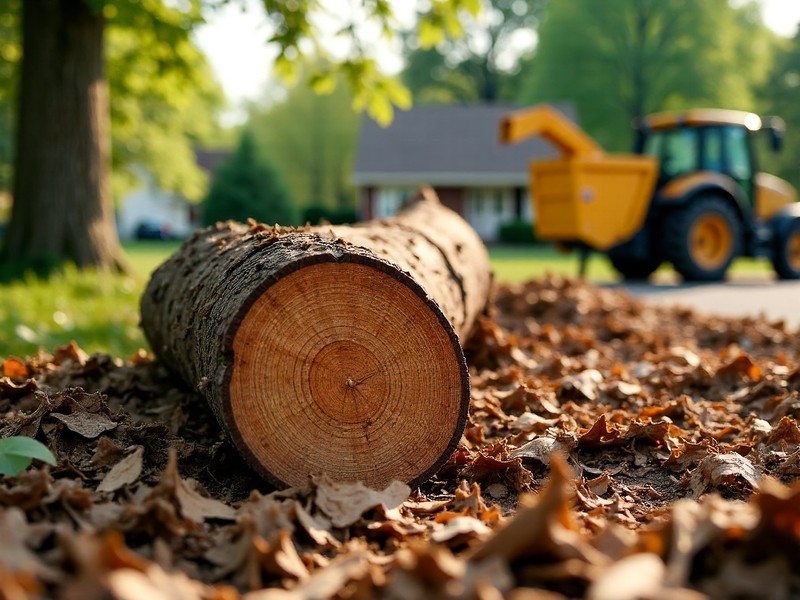
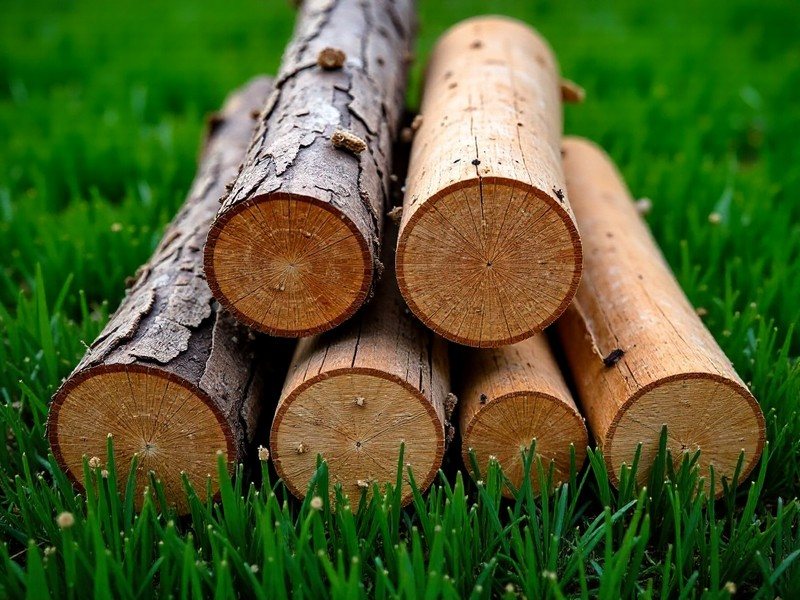
Debris handling is part of the job. Brush goes through a chipper, logs are cut to manageable lengths, and you decide whether to keep firewood rounds, wood chips for mulch, or have everything hauled away. The lawn, beds, gutters within reach and hard surfaces are raked and blown clear at the end.
Trees that are damaged but structurally sound receive repair pruning. That means cutting torn stubs back to clean collars, reducing weight on a weakened side, and removing cracked limbs so the tree can seal its wounds properly. Trees with split trunks, major root plate lifting or heavy crown loss are usually recommended for removal.
Timeline depends on scale. A yard with scattered limbs is typically cleared in a few hours, while a property with one or more large trees down usually takes a full day or two. After widespread storms, hazard work is scheduled first and general debris cleanup follows in order.
What Professional Storm Cleanup Protects
Hazards Removed Safely
Hanging limbs and storm-bent trunks are among the most dangerous wood in tree work. Trained crews cut them in controlled sections, lower heavy pieces with rigging and account for stored tension, which keeps people, vehicles and buildings out of harm's way during and after cleanup.
Less Damage to Structures
Lifting a tree off a roof, deck or fence in measured pieces prevents the extra cracking and denting that happens when wood is cut loose and dropped. Careful rigging protects shingles, gutters and siding that may have survived the storm itself without serious damage.
Better Odds for Trees
Clean pruning cuts at the branch collar let a damaged tree seal over its wounds and resist decay. Torn stubs left by the storm invite rot and insects. Prompt repair pruning gives salvageable trees a real chance of returning to good health over the following seasons.
Documentation for Insurance
Photos of the damage taken before cleanup, along with a written description of what was removed and why, give your insurer the record it typically asks for. That paperwork makes claims easier to file and reduces back-and-forth with adjusters about the scope of the work.
Complete Debris Removal
Cleanup is not finished until the yard is usable again. Brush is chipped, logs are cut and either stacked or hauled, and lawns, beds and paved areas are raked and blown clear. You are not left with piles of branches waiting for curbside pickup weeks later.
Clear Choices Before Work
You receive a written estimate that separates hazard removal, debris hauling and repair pruning, so you can decide what to do now and what can wait. Options such as keeping firewood or wood chips are spelled out, along with any trees recommended for removal.
From Damage Assessment to Final Raking
Assess and Photograph
A crew lead walks the property, identifies hazards near structures and lines, and photographs all damage before anything is moved so you have a record for insurance.
Review the Estimate
You receive a written estimate listing each tree and task, which trees can be saved, which should come down, and what happens to the wood and debris.
Clear Immediate Hazards
Hanging limbs and wood resting on roofs, fences or vehicles are cut and lowered first, using rigging and relief cuts to control tension in storm-bent wood.
Cut and Process Debris
Fallen trees and limbs are sectioned, brush is chipped, and logs are cut to length for stacking or hauling based on what you chose.
Repair Pruning
Damaged trees worth keeping are pruned back to clean collars, and weight is reduced on weakened sections to help them recover.
Final Cleanup and Walkthrough
Lawns, beds and hard surfaces are raked and blown clear, and the crew lead walks the property with you to confirm the work is complete.
Storm Cleanup Questions From Paramus Property Owners
Common questions about storm damage cleanup
Storm damage cleanup cost is based on the amount of wood, the size of the trees and how hard they are to reach. Clearing scattered limbs from a yard costs far less than removing a large tree from a roof, which may need a crane or extra rigging. Every job receives a written estimate after an on-site assessment, before any work starts.
Homeowners insurance often covers removal of a tree that falls on a covered structure, such as a house or garage, though coverage varies by policy. Trees that fall only on the lawn are frequently excluded or capped. Photographing damage before cleanup and keeping the itemized invoice helps when filing. Your insurer or agent can confirm what your specific policy covers.
Permit requirements for removing a storm-damaged tree depend on local rules and on whether the tree stands on private property or the municipal right-of-way. Trees along the street are often the town's responsibility. Crownwood Tree Services checks the tree's location during the assessment and tells you whether the borough should be contacted before work proceeds.
Many storm-damaged trees can be saved when the trunk is intact, the root plate has not lifted and less than roughly half the crown is lost. Repair pruning removes broken limbs and leaves clean cuts that seal well. Trees with split trunks, exposed or torn roots, or a heavy lean toward a house are usually safer to remove.
Storm cleanup scheduling follows hazard priority, so trees on structures or blocking access are handled first and general debris removal follows. After a localized storm, most Paramus properties can be assessed within a few days. After widespread storms the wait can be longer, and calling early places your property in the queue for an assessment.
Wood and branches from storm cleanup are processed on site, with brush fed through a chipper and logs cut to manageable lengths. You can keep firewood rounds or wood chips for mulch, or have everything hauled away. The estimate lists your chosen option, and the yard is raked and blown clear before the crew leaves.
Backyard storm cleanup is usually possible through a standard gate using compact equipment, ground protection mats and hand-carrying of brush to the chipper. When a truck cannot reach the tree, climbers rig and lower the wood in sections. Some soft-ground marking can occur in wet conditions, and any access concerns are discussed during the assessment.
Fallen branches resting on the ground can be moved by hand if they are small and nowhere near power lines. Large limbs, anything under tension, and anything still hanging overhead should be left for the crew. Photograph the damage before moving anything, and keep everyone away from downed or sagging utility lines, which the utility must handle.
Service Areas
We proudly serve these locations
Need Storm Damage Cleanup in Paramus, NJ?
Tell us about the tree and we'll walk the property and give you a clear quote.
Call (551) 351-7420Last updated