
Stump Grinding and Removal in Paramus, NJ
Crownwood Tree Services grinds and removes tree stumps for homes and businesses in Paramus, NJ. Whether a stump is left from a recent removal or has sat in the lawn for years, the crew clears it below grade and leaves the ground ready to use. Call (551) 351-7420 for a written quote.
Stump grinding is the mechanical reduction of a tree stump and its surface roots to wood chips below ground level, typically 6 to 12 inches deep. Stump removal extracts the root ball entirely. Crownwood Tree Services provides both for homeowners and property managers in Paramus, NJ.
What Stump Grinding Solves and When It Matters
Stump grinding removes the problems a leftover tree stump leaves behind in a Paramus yard: a trip hazard, a mowing obstacle, and a slowly rotting mass that invites pests. Crownwood Tree Services grinds stumps below grade so the spot can be seeded, planted or paved over instead of worked around.
An old stump rarely stays inert. Many species, including maples and some oaks, push up sucker sprouts from the roots for years after the trunk is cut. Decaying wood attracts carpenter ants, termites and fungi, and a stump near a foundation, patio or driveway keeps those pests close to the house.
Stumps also block practical plans. A homeowner who wants to regrade a lawn, extend a patio, run a fence line or plant a new tree near the same spot needs the old wood and surface roots out of the way first. Full stump removal goes further when footings or utility trenches are planned for that ground.
Crownwood Tree Services quotes by stump size and access, requests a utility markout before grinding starts, and leaves the site raked and level. The crew handles single backyard stumps as well as lots with several left over from earlier removals, and it explains the difference between grinding and full removal before any work is booked.
How Stump Grinding and Full Stump Removal Are Done
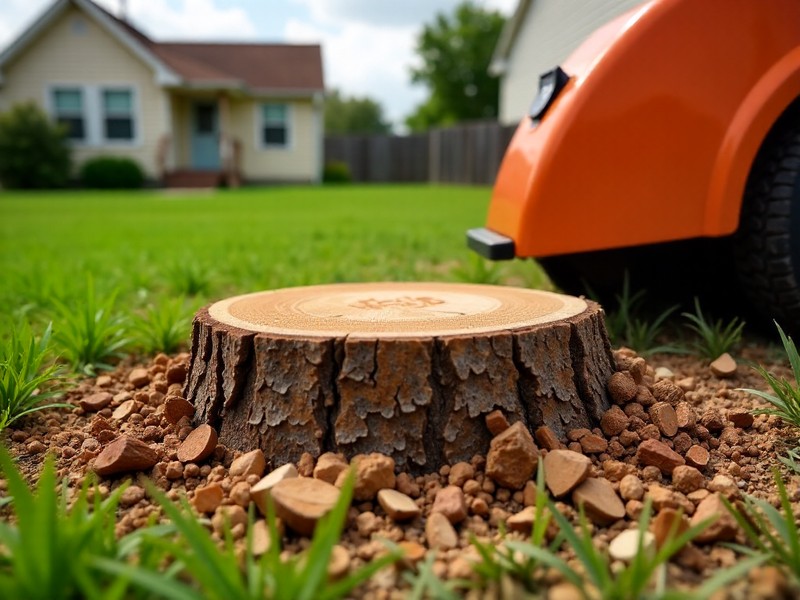
Stump grinding and stump removal are two different jobs, and choosing between them is the main decision a customer makes. Grinding uses a rotating cutter wheel fitted with carbide teeth to chip the stump away, typically 6 to 12 inches below the soil surface. Full removal digs out the root ball and is reserved for spots where something will be built.
Grinding is the right choice for most lawns and garden beds. It is faster, disturbs far less soil and leaves the deeper roots to decay naturally over several years. Full removal is worth the extra cost and excavation when a footing, addition, pool or utility trench is going in, because buried roots can rot, settle and leave voids.
Equipment is matched to the site. Compact walk-behind grinders fit through many standard backyard gates and work on tight lots, while larger self-propelled machines handle wide stumps quickly where there is open access. Ground mats protect lawns along the travel path, and debris screens keep chips from striking windows, siding and cars.
Every job includes a utility markout request before cutting, grinding of the main stump and the visible surface roots around it, and cleanup of the work area. Customers choose whether the grindings stay as backfill or mulch, or are hauled away and replaced with topsoil ready for seed. Surface roots can be chased farther out on request.
Cost depends mainly on stump diameter measured at ground level, along with hardwood versus softwood, how far the roots spread, rocks in the soil and how easy the stump is to reach. Several stumps on one property cost less per stump than a single visit, and grinding added to a tree removal is usually the most economical option.
Most single residential stumps take 30 minutes to two hours to grind, and a property with several stumps is often finished in one day. Scheduling usually hinges on the utility markout window, which must be complete before the grinder touches the ground. Full removal takes longer and can stretch to a second day when backfilling and compaction are involved.

Benefits of Grinding Out an Old Stump
Safer, Level Lawn Surface
Stump grinding below grade removes a common trip hazard for children, guests and anyone mowing. The hole is backfilled and raked level, so the lawn can be cut in straight passes without steering around a stump or catching mower blades on exposed roots that heave up over time.
Fewer Pests Near the House
Rotting stumps are a food source and nesting site for carpenter ants, termites and wood-boring beetles. Removing the wood mass takes away that habitat, which matters most when the stump sits close to a foundation, deck, porch or wooden fence those insects could move on to next.
Stops Root Sprouts
Many trees send up suckers from the stump and shallow roots after the trunk is cut, forcing repeated clipping or herbicide use. Grinding the root crown below the soil line removes the growth points responsible for most sprouting, so the yard stops producing new shoots every season.
Usable Ground Again
A cleared stump site can be reseeded, planted with a new tree a few feet off center, or prepared for a patio, shed or walkway. Full removal clears the deeper root ball when footings or trenches need solid soil without buried wood that may settle later.
Cleaner Look and Curb Appeal
A ground stump disappears from view entirely, which tidies a front lawn and helps when a house is being listed for sale. Buyers and inspectors tend to notice old stumps, and removing them shows the property has been maintained rather than left with unfinished tree work.
Free Mulch From Grindings
Stump grindings make a coarse mulch that can be spread around shrubs, beds or paths. Customers who keep them save on hauling and buy less bagged mulch. Fresh grindings are best aged before use near vegetables, since decaying wood temporarily ties up nitrogen in the soil.
What Happens on Stump Grinding Day?
Site Visit and Measurement
Stump grinding starts with Crownwood Tree Services measuring each stump's diameter, checking gate widths and slopes, noting nearby structures and buried features, and pricing grinding versus full removal in writing.
Utility Markout Request
A request goes to New Jersey's 811 one-call system before work so gas, electric, water and communication lines are marked. Customers are asked to flag private lines such as sprinklers, pet fences and landscape lighting.
Setup and Protection
The crew lays ground mats along the access path, sets debris screens near windows, cars and siding, and cuts the stump close to the ground with a chainsaw so the grinder works efficiently.
Grinding Below Grade
The cutter wheel sweeps side to side across the stump, lowering a little on each pass until the wood is chipped to the agreed depth. Visible surface roots are followed outward and ground as well.
Backfill and Cleanup
Grindings are packed back into the hole and mounded to allow for settling, or removed and replaced with topsoil. The lawn, beds and hardscape are raked and blown clear before the crew leaves.
Stump Grinding Questions From Paramus Homeowners
Common questions about stump grinding and removal
Stump grinding in Paramus is priced mainly by the stump's diameter at ground level, plus access, root spread and the number of stumps. A typical residential stump often falls in the low hundreds of dollars, with large hardwood stumps and hard-to-reach backyards costing more. Additional stumps on the same visit cost less each, and every quote is given in writing first.
A stump left from a tree that has already been cut down generally does not need a separate permit to grind, because local tree rules focus on removing living trees. Requirements can change, so Crownwood Tree Services confirms current borough rules when a stump sits in the strip near the street or is tied to a pending tree removal.
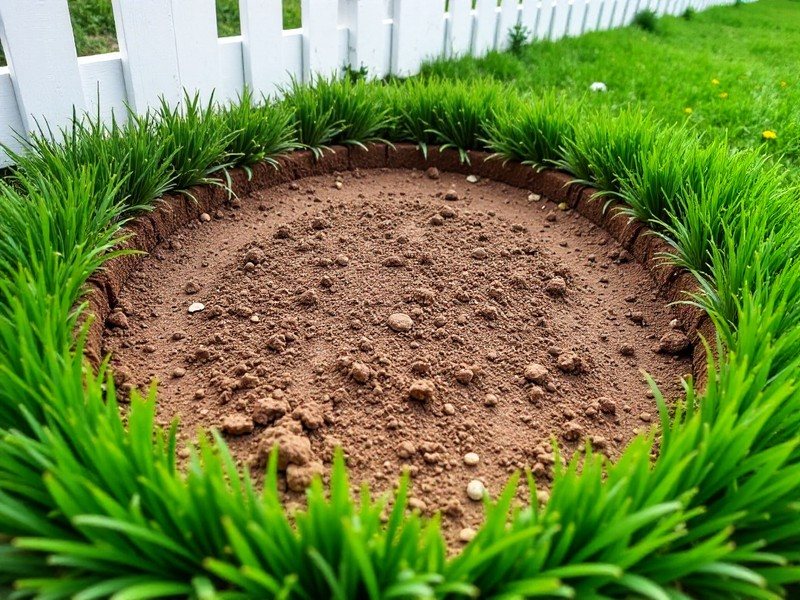
The hole left by stump grinding is filled with the grindings themselves or with topsoil, depending on what the customer chooses. Grindings left on site settle as they decay, so they are mounded slightly above grade. Customers planning to seed grass usually prefer haul-away and topsoil, which gives a firmer, cleaner seedbed in the same spot.
Compact stump grinders fit through many standard residential gates, and some models pass through openings around 3 feet wide. The estimate includes measuring the narrowest point on the route to the stump. When a gate is too small, a fence panel can sometimes be removed temporarily, and steep slopes or steps are noted so the right machine is sent.
Standard stump grinding reaches about 6 to 12 inches below the surface, which is enough for grass, flower beds and most hardscaping. A new tree does best planted a few feet away from the old stump, where the soil is not packed with decaying wood and remaining roots. Deeper grinding or full removal is available when the exact spot matters.
Stump grinding is usually scheduled within one to two weeks, and the main fixed wait is the utility markout. New Jersey's one-call system requires advance notice before digging, generally a few business days, so buried lines can be marked. Stumps from a recent tree removal can often be ground on the same visit or shortly after.
A standing tree can often be saved when the problem is limited to dead limbs, poor structure or a manageable disease, and an assessment settles that before any stump work is quoted. Trees with extensive trunk decay, major root damage or a dangerous lean usually cannot be saved. Once a tree is cut down, grinding the stump is the final step.
A stump cut flush with the ground can keep sending up sprouts, especially maples, willows, poplars and some oaks with live root systems. Grinding below grade removes the root crown where most sprouts form, which stops regrowth in nearly all cases. Occasional shoots from distant roots can be clipped and typically stop within a season.
Service Areas
We proudly serve these locations
Need Stump Grinding and Removal in Paramus, NJ?
Tell us about the tree and we'll walk the property and give you a clear quote.
Call (551) 351-7420Last updated