
Land and Lot Clearing in Paramus, NJ
Crownwood Tree Services clears overgrown lots, wooded parcels and neglected yards so they are ready to build on, regrade or replant. Our crew removes trees, brush, stumps and debris in one coordinated job. Call (551) 351-7420 to have a lot walked and priced.
Land and lot clearing is the removal of trees, brush, stumps, roots and debris from a parcel to prepare it for construction, grading, fencing, drainage work or landscaping. Crownwood Tree Services provides selective and full lot clearing for homeowners, builders and property owners in Paramus, NJ.
What Does Land and Lot Clearing Involve?
Land and lot clearing is the work of turning an overgrown or wooded piece of ground into usable space by removing unwanted trees, brush, vines, stumps and roots. Crownwood Tree Services handles this work for residential and small commercial properties, from a single back corner to a full building lot.
Clearing matters because almost nothing else can happen on a lot until it is done. Builders need open, root-free ground for footings and driveways. Surveyors need sightlines. Fence installers, pool contractors and landscapers need a clean starting surface rather than a tangle of saplings and buried stumps.
The problems clearing solves are usually practical ones. Invasive growth such as multiflora rose, bittersweet and Japanese knotweed spreads quickly and swallows yard space. Dead and leaning trees create hazards near structures. Dense brush hides drainage issues, attracts ticks and rodents, and makes a property hard to sell or inspect.
Owners choose Crownwood because the whole job stays with one crew. The same team that cuts and fells the trees also chips the brush, grinds or pulls the stumps, and leaves the ground graded and clean, so there is no gap between contractors. We also help owners decide which trees are worth keeping, since a lot cleared with care is often worth more than one stripped bare.
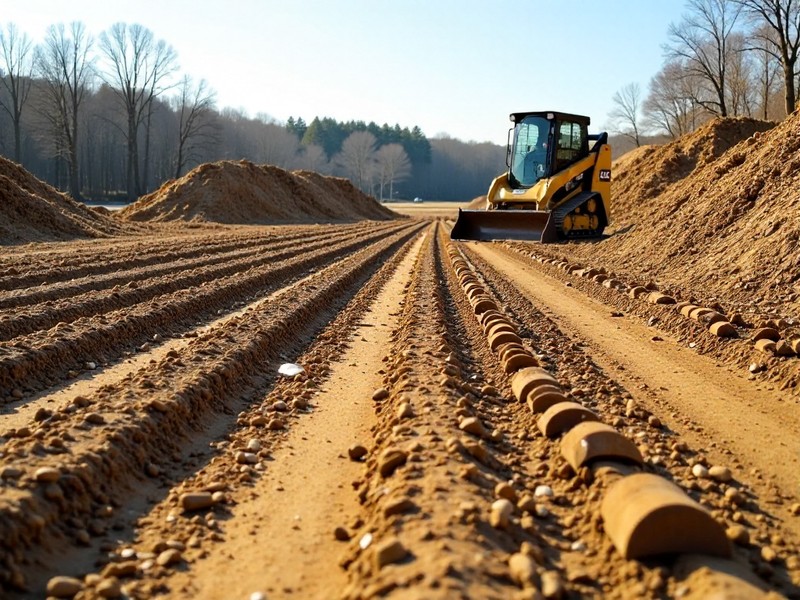
How Lot Clearing Is Done, From Brush to Stumps
Land and lot clearing at Crownwood Tree Services starts with deciding what stays and what goes. Before any cutting, we flag trees to preserve, mark property lines from the survey, and note utilities, slopes and wet areas. This plan sets the scope and the price.
Selective clearing removes brush, invasive plants, dead wood and unwanted trees while keeping healthy specimens for shade and privacy. Full clearing removes all vegetation from a defined area, typically a building footprint, driveway path or yard expansion. Many projects combine the two.
The work itself moves in layers. Crews first cut brush and small growth, then fell or section larger trees, using rigging where trees stand near houses, fences or wires. Logs are bucked to length and either hauled away or left as firewood on request. Branches and brush go through a chipper, and chips can be spread on site or removed.
Stump and root work is the next decision. Grinding takes stumps below grade and suits lawns and planting beds. Grubbing pulls stumps and major roots out entirely and is the right choice where foundations, footings or paved surfaces will go, because buried roots decay and cause settling.
Equipment depends on access and ground conditions. Typical tools include chainsaws, a brush chipper, a stump grinder, and a compact track loader or skid steer with grapple and mulching attachments. Tracked machines spread their weight and limit rutting on soft Bergen County soils. Final work includes rough grading, raking out debris and leaving the surface ready for the next trade.
Timelines vary with density and size. A small overgrown backyard is usually cleared in one day. A wooded quarter-acre lot generally takes two to four days, and larger or steep parcels longer. Pricing reflects tree count and size, brush density, stump treatment, access and haul-away volume, and lighter residential jobs often fall in the low thousands while heavily wooded lots run considerably higher.

What a Properly Cleared Lot Makes Possible
Ready Ground for Building
A properly cleared and grubbed lot gives builders, excavators and foundation crews a clean, root-free surface. Removing stumps and major roots where structures will sit helps prevent the settling and voids that occur when buried wood decays under footings, slabs or driveways years after construction is finished.
Healthy Trees Kept Standing
Selective clearing keeps the strongest trees on the property for shade, privacy and value. Thinning out crowded saplings, vines and dead wood gives those remaining trees more light, water and root space, so they grow stronger instead of competing with the brush that was choking them.
Invasive Growth Brought Under Control
Clearing removes aggressive species such as bittersweet, multiflora rose and knotweed before they take over more of the yard. Cutting and grinding at the right time, followed by follow-up advice on regrowth, gives owners a realistic chance of keeping these plants from returning to reclaimed ground.
Fewer Pests and Hazards
Dense brush and dead trees shelter ticks, rodents and other pests close to the house. Removing that cover and taking down weakened or leaning trees lowers the risk of limbs falling on roofs, fences or vehicles and makes the property safer for children and pets.
Better Drainage and Sightlines
Clearing exposes the actual grade of the land so drainage problems can be seen and corrected. It also opens views across the property for surveyors, inspectors and buyers, which makes planning, permitting and selling a lot more straightforward than working around thick, hidden ground.
One Crew Start to Finish
Felling, chipping, stump work, hauling and rough grading are handled by a single team. Owners avoid scheduling separate contractors, waiting between phases or arguing over who leaves which mess, and the job is finished on one timeline with one point of contact.
Steps in a Land Clearing Project
Site Walk and Marking
We walk the lot with you, review the survey, flag trees to keep, and note utilities, slopes, wet spots and access points for equipment.
Written Scope and Estimate
You receive a written estimate listing clearing limits, stump treatment, debris handling, grading and timeline, so there are no surprises later.
Permits and Utility Locates
We help confirm any local tree permits and request a free NJ 811 utility markout before grinding or grubbing begins.
Cutting and Chipping
Brush is cut first, then trees are felled or rigged down in sections, with branches chipped and logs bucked for removal or firewood.
Stump and Root Removal
Stumps are ground below grade for lawn areas or fully grubbed out where foundations, driveways or hardscape are planned.
Grading and Final Cleanup
The ground is rough graded, debris is raked out and hauled away, and we walk the finished lot with you before leaving.
Lot Clearing Questions on Cost, Permits and Access
Common questions about land and lot clearing
Lot clearing in Paramus is priced by tree count and size, brush density, stump treatment, access and haul-away volume. A small overgrown backyard often costs in the low thousands, while a heavily wooded building lot with full grubbing costs considerably more. Crownwood provides a free written estimate after walking the property, so the price reflects the actual site.
Tree removal permits are required in some Bergen County municipalities, and rules often depend on tree size, lot size and whether construction is planned. Owners should confirm requirements with the Borough of Paramus before work starts. In New Jersey, projects disturbing more than 5,000 square feet of soil generally also need an approved soil erosion and sediment control plan.
Debris from lot clearing is chipped, hauled or left on site based on the owner's choice in the estimate. Brush becomes wood chips that can be spread as mulch or removed. Logs can be cut to firewood length and stacked. Stump grindings are raked into holes or hauled away, and the lot is left raked and graded.
Healthy trees can often be saved through selective clearing rather than full removal. Our crew evaluates each tree's species, structure and health, then flags the strongest ones to protect. Trees within a planned foundation or driveway footprint usually cannot stay, and roots inside the drip line need protection from heavy equipment for retained trees to survive.
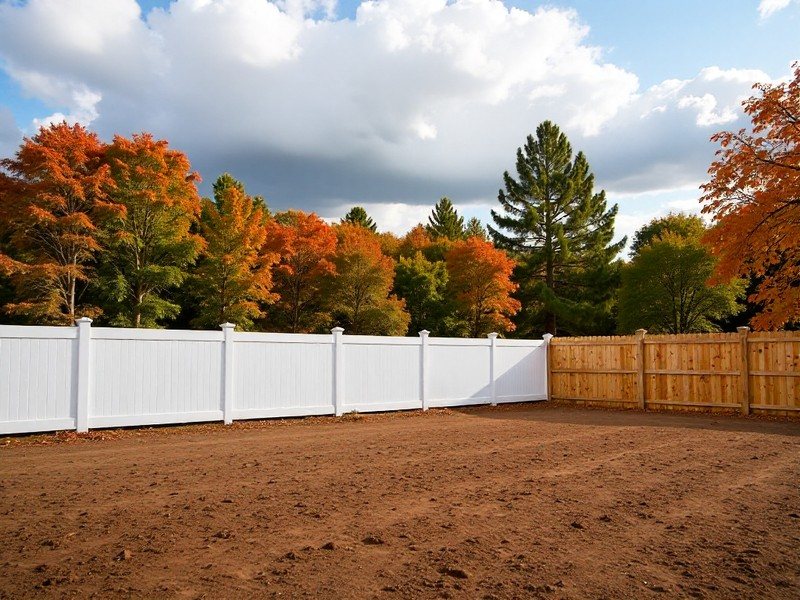
Equipment access for lot clearing is planned during the site walk. Compact track loaders and narrow chippers fit through gates as small as about four feet wide. Where access is tighter, crews hand-carry brush and rig trees down in sections. Ground mats protect lawns and driveways, and fence panels can be removed and reinstalled when needed.
Lot clearing projects are typically scheduled within one to three weeks of an approved estimate, depending on season and permit timing. Late fall and winter are often good times to clear, since leaves are down and ground is firmer. A utility markout through NJ 811 needs a few business days before any stump grinding or grubbing begins.
Stump grinding cuts a stump down several inches below the surface and leaves roots in the ground to decay. Grubbing removes the stump and major roots completely. Grinding suits lawns and planting areas, while grubbing is the better choice under foundations, driveways, patios and pools, where decaying roots can cause the ground to settle.
Clearing a typical residential lot in Paramus takes between one and four days. An overgrown backyard is often finished in a single day, while a wooded quarter-acre with full stump removal usually needs two to four days. Steep slopes, wet soil, tight access and large trees near structures add time, which the estimate will reflect.
Service Areas
We proudly serve these locations
Need Land and Lot Clearing in Paramus, NJ?
Tell us about the tree and we'll walk the property and give you a clear quote.
Call (551) 351-7420Last updated